

New Course · Data Center for AI Systems
Data Center Training & Certifications
Data Center Design, Operations and Maintenance, High Availability, Reliability, Systems and Components, Energy Efficiency. Train and be certified with SERES.
15+
Years of Industry Expertise
4
DCEP Specialist Tracks
50+
Countries Reached
100%
Live Online Delivery
Featured Programs
Train and be certified with SERES
SERES has developed Professional Certification programs across the most critical disciplines of modern data center operations.
Data Center for AI Systems
Designing, managing and optimizing infrastructure for AI workloads — GPUs, TPUs, high-density cooling.
Learn more →Rack Density Categories
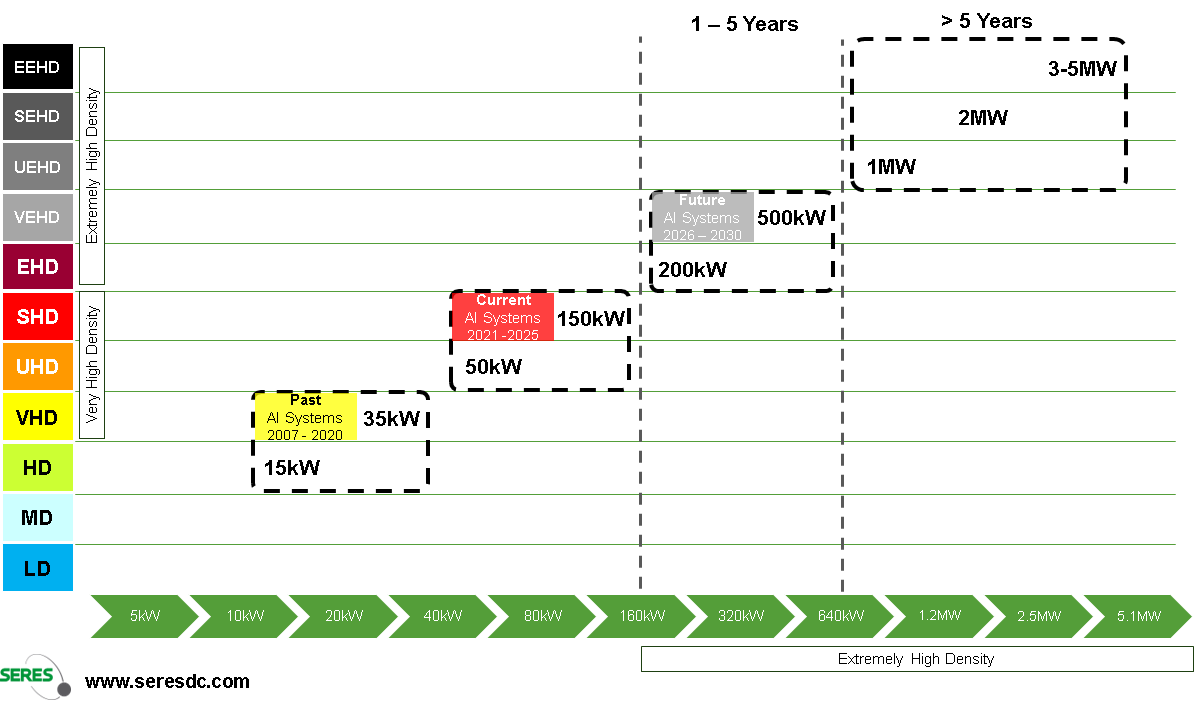
New framework classifying rack densities from LD to EHD in the age of AI.
Learn more →DCEP Training
DOE Data Center Energy Practitioner — Generalist, IT, HVAC and Electrical Specialist.
Learn more →DC Training
Design, operations, maintenance, reliability and energy efficiency fundamentals.
Learn more →Downtime Severity Levels
A measurement scale to assess the impact and depth of downtime in data centers.
Learn more →SERES Certifications
Professional certifications validating knowledge across critical data center domains.
Learn more →
N E X T C O H O R T
Sept 7–8, 2026
USA / Canada · Live Online
AI Data Center Training
Certified Professional AI Data Center Infrastructure
A comprehensive program covering the unique requirements, challenges, and best practices for AI-centric data centers — power, cooling, sustainability, and safety for high-performance AI systems.

Fundamental differences in AI vs. traditional IT workloads
Power & cooling for high-density GPU/TPU hardware
Scalability, redundancy and fault tolerance for AI
Sustainability and clean power generation sources
Certifications
Professional credentials that matter
SERES is a Partner Training Organization licensed to deliver the DCEP (Data Center Energy Practitioner) program.
DCEP Generalist
IT, Air Management, Cooling and Electrical disciplines.
DCEP IT Specialist
IT energy usage, asset performance and metering.
DCEP HVAC Specialist
Air handlers, liquid cooling, chilled water plants.
DCEP Electrical Specialist
Fundamentals, power train, metering, UPS equipment.
Outstanding Research Work
Pioneering research from SERES
Original research that shapes the industry — from PUE modeling to rack density classification.
Divide and Conquer
Impact of Modular Design on PUE
Rack Density Categories
Classification in the Age of AI
Demystifying PUE
Energy savings through PUE improvement
Downtime Severity Levels
Measuring impact of downtime
Cooling Technologies
Matched to rack density categories
IT Room Utilization
ITRU set of equations
Global Outreach
Training data center professionals across the world
SERES has instructed Data Center training to companies across the world. We are currently expanding our training offering to new territories.
USA / Canada
MDT (GMT -7)
EMEA
GMT +3 · English
APAC
GMT +9

New Framework
Classification of Rack Densities
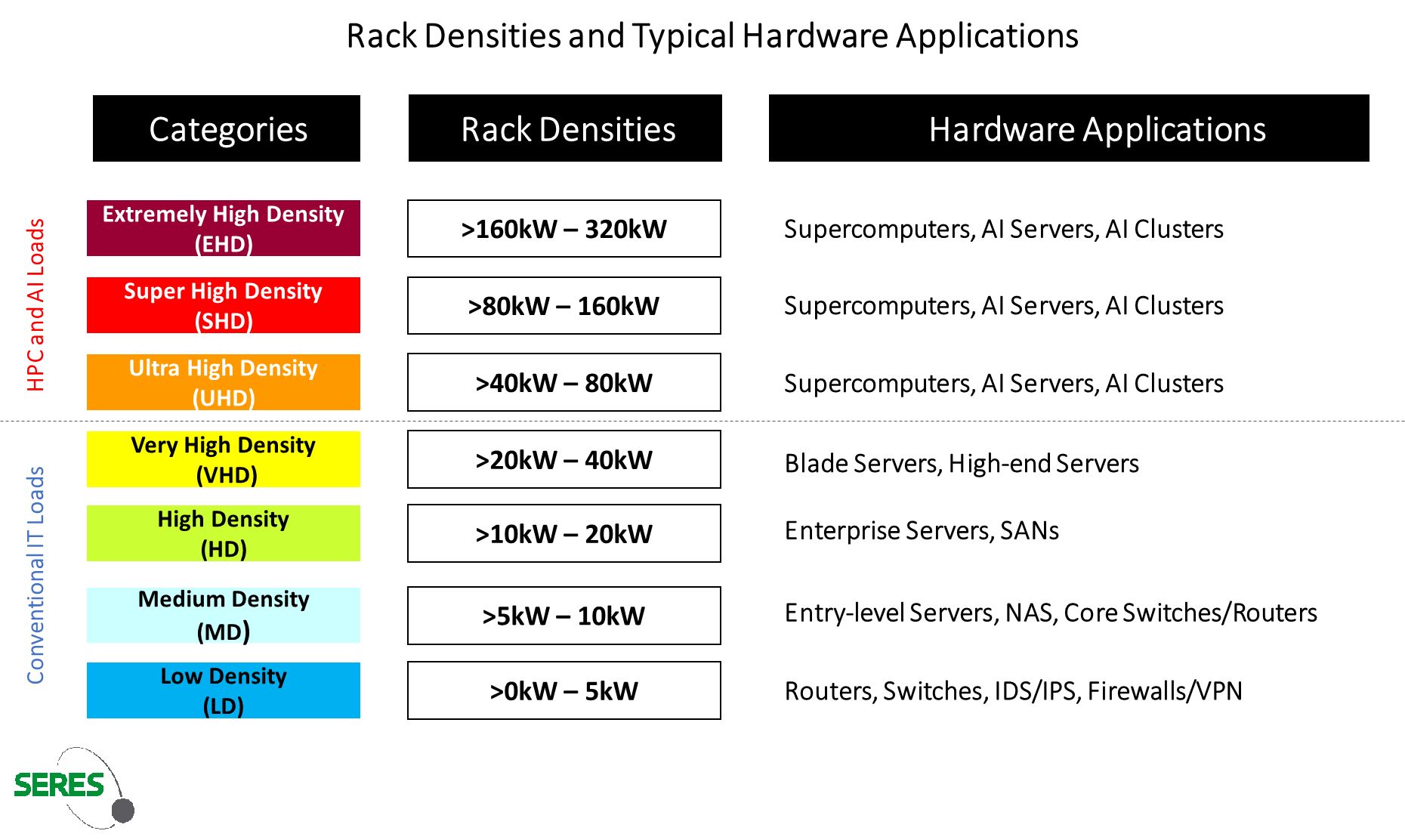
A new framework borrowed from the telecommunications radio spectrum — each rack density category doubles from one to the next.
LD
#01Low Density
0 – 5 kW
MD
#02Medium Density
5 – 10 kW
HD
#03High Density
10 – 20 kW
VHD
#04Very High Density
20 – 40 kW
UHD
#05Ultra High Density
40 – 80 kW
SHD
#06Super High Density
80 – 160 kW
EHD
#07Extremely High Density
160 – 320 kW
VEHD+
#08Future EHD Tiers
320 kW – 5.1 MW
DCEP Programs
Data Center Energy Practitioner Certification
Data centers are energy-intensive — DCEP certifies practitioners qualified to identify and evaluate energy efficiency opportunities. Be certified and get your DCEP logo.

Data Center Training, Content & Interchange
Data Center Design, Operations and Maintenance, High Availability, Reliability, Systems and Components, Energy Efficiency.
Train and be Certified with SERES
Webinars, Trainings, Certifications….
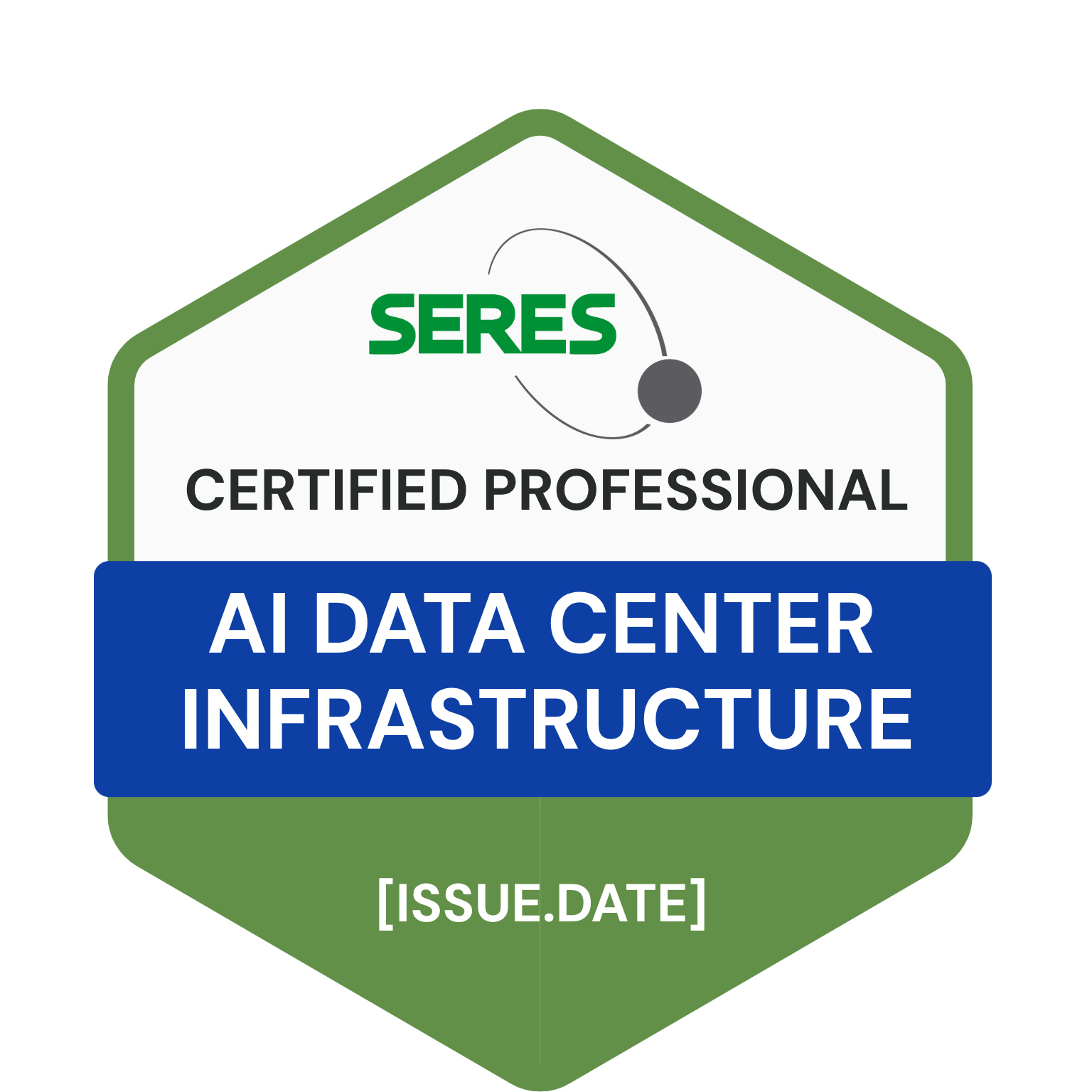
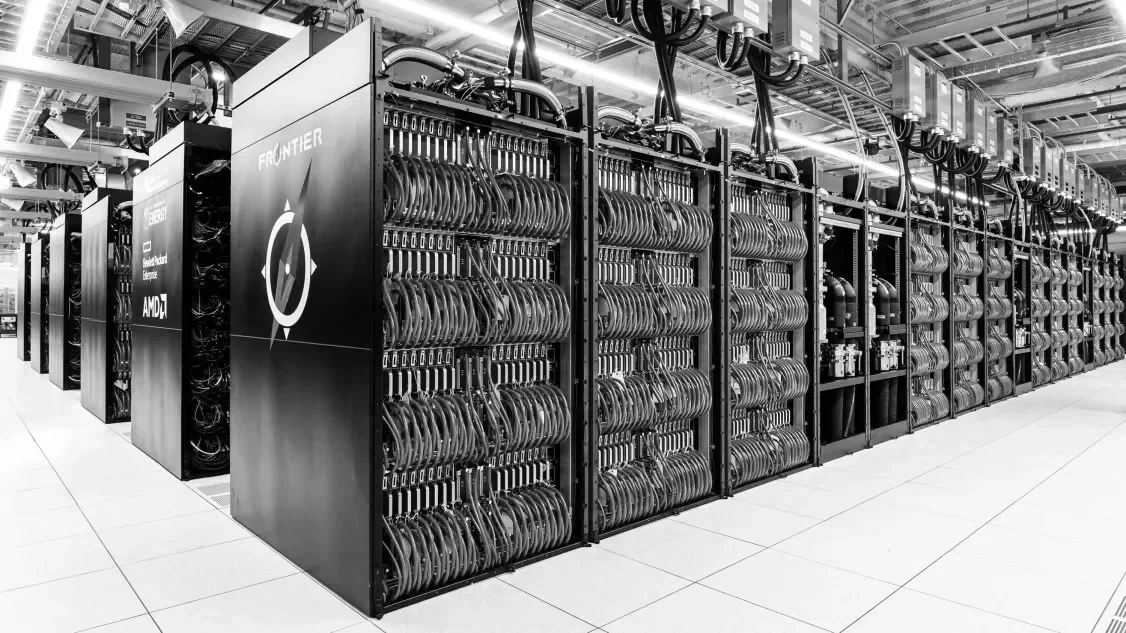
Credits: Oak Ridge National Laboratory
New AI Data Center Training !!!
EMEA
September 4-5 Live Online
APAC
August 24-25 Live Online
Data Center Infrastructure for AI Systems Training + Exam = Certification
US/Canada - Live Online
September 7-8, 2026

SERES has instructed Data Center training to Companies across the World. We are currently expanding our training offering to new territories.
Global Outreach
NEW Classification of Rack Densities
Data Center Energy Practitioner Certification
-
DCEP Generalist (Level 1).
Includes four Data Center Disciplines (Energy Savings Opportunities):
IT Equipment
Air Management
Cooling Systems
Electrical Systems
-
DCEP IT Specialist (Level 2)
In Depth DCEP training. Qualifies IT Energy Professionals. Includes:
Energy Terms and Metrics
IT Asset Performance
IT Energy Usage
Predicting/Measuring Energy Usage
Controlling ITE Energy Usage
-
DCEP HVAC Specialist (Level 2)
In Depth DCEP training. Qualifies HVAC Professionals. Includes:
Air Handlers/Air Conditioners
Liquid Cooling
Chilled Water Plants
Cooling System Controls
Modeling DC HVAC Systems
Environmental Requirements
Airflow & Temp Management
-
New DCEP Electrical Specialist (Level 2)
In Depth DCEP training. Impact of Efficiency on Electrical Systems:
Fundamentals
Power Train
Power Metering
UPS Equipment


Upcoming DCEP Training
April 12-19, 2026
DCEP Training (GMT +3)
Be Certified and get your DCEP Logo !
SERES Outstanding Research Work
Divide and Conquer: Understanding the Impact of Modular Design on PUE


Rack Density Categories in the Age of AI
Demystifying PUE Metric


Downtime Severity Levels (DSL): A Way to measure the Impact of Downtime in Data Centers


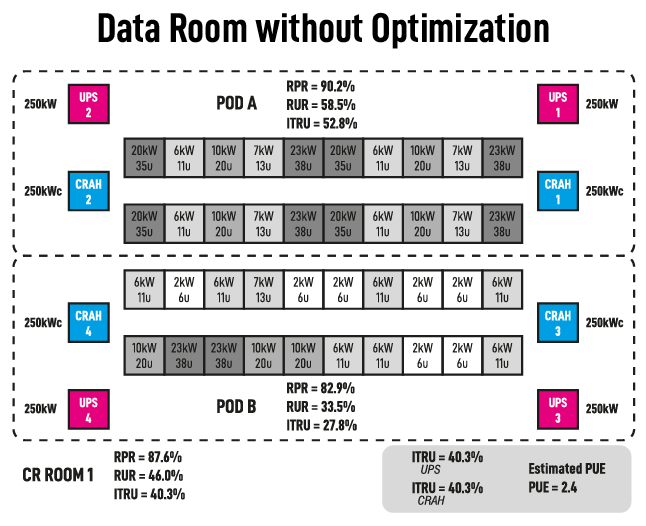
IT Room Utilization (ITRU)
